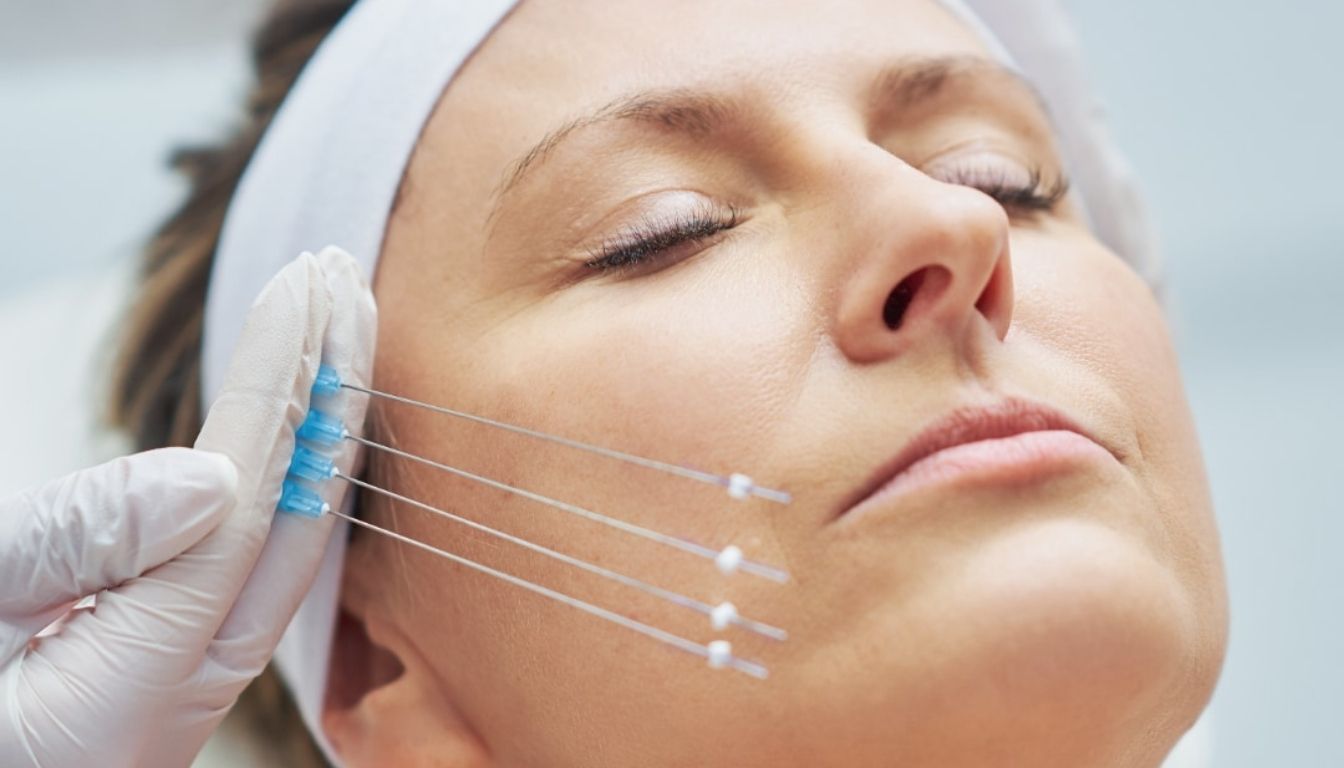
Face lifting forms the foundation of minimally invasive thread lifting procedures aimed at correcting sagging and contour loss in facial tissues that occur as part of the aging process, without the need for surgery. The effects of gravity, collagen loss, and weakening of connective tissue may lead to significant deformities in the midface and lower face regions. Face lifting aims to support these changes within anatomical boundaries.
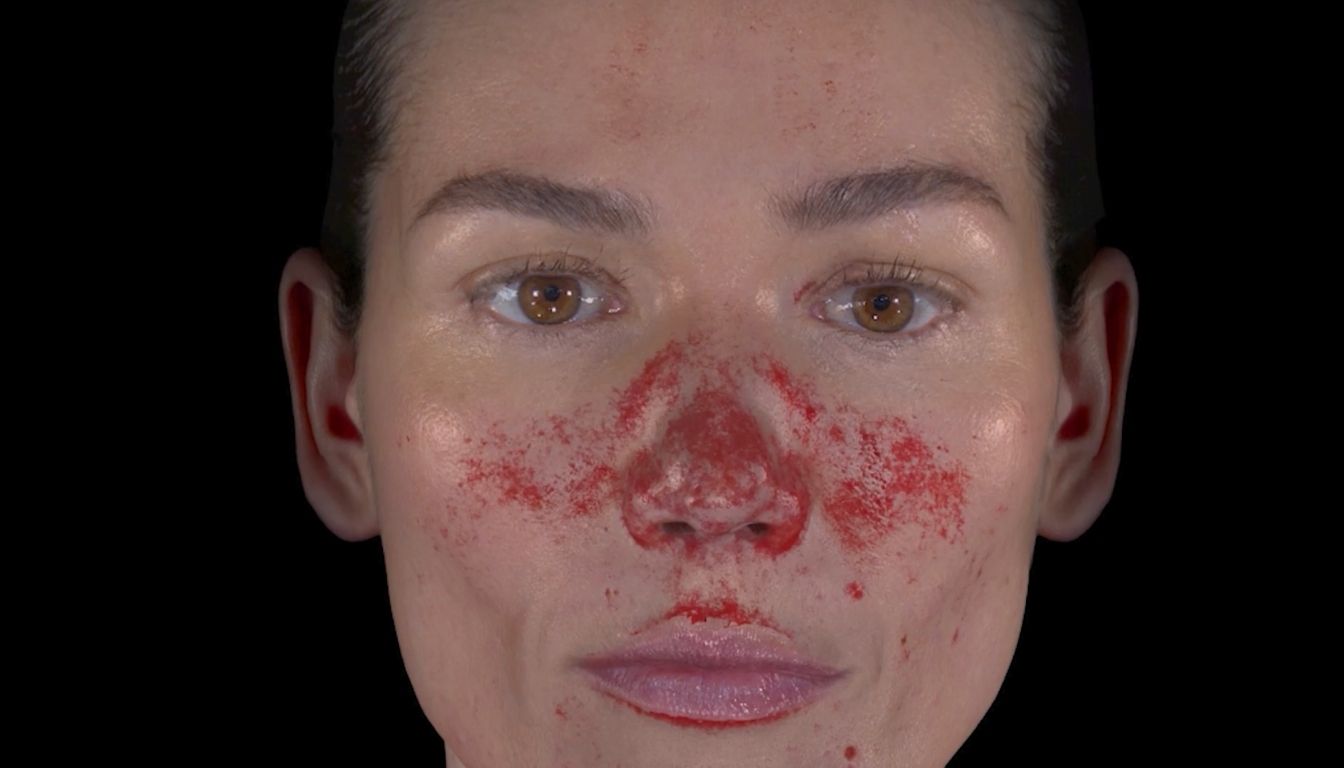
The primary goal of face lifting is not to pull the face from a single point, but to create a natural lifting effect through multiple vectors. Before treatment, the upper, middle, and lower facial segments should be evaluated separately. Applications performed without proper analysis of soft tissue quality, skin elasticity, and facial proportions may result in short-lived or unbalanced outcomes.
Within the Face Lifting Training program, facial anatomy, connective tissue planes, and the indications for different thread types are discussed in detail. Participants gain systematic knowledge regarding the determination of lifting vectors, thread placement depth, and symmetry management. In addition, emphasis is placed on the prevention and management of potential complications such as edema, thread visibility, and asymmetry.
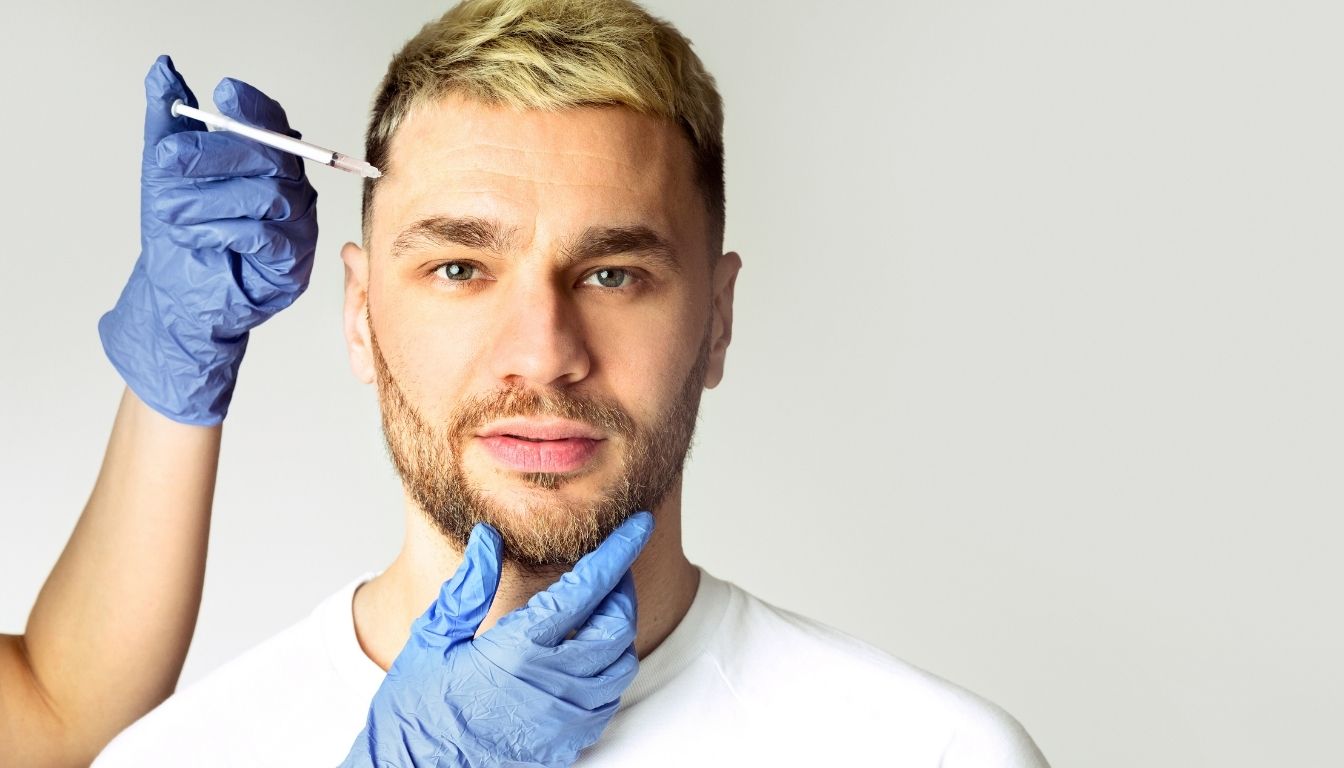
During the training process, the clinical rationale for combining face lifting with dermal fillers, botulinum toxin, and biostimulatory treatments is also presented. The aim is to provide physicians with the ability to perform face lifting not as an isolated procedure, but as part of a comprehensive facial rejuvenation strategy.