
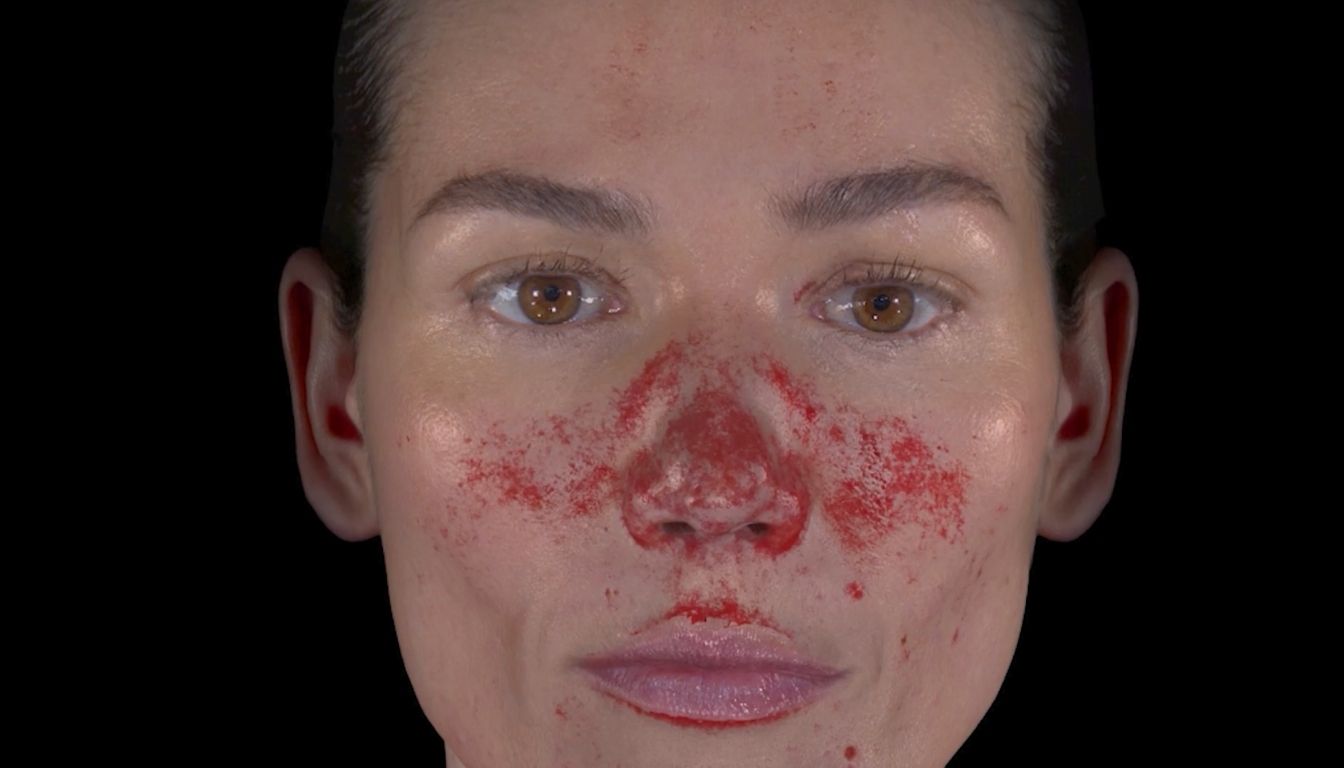
AI-Supported Aesthetic Planning
From Intuition to Data
Artificial intelligence is no longer a concept of the future in medical aesthetics; it has become one of today’s most powerful support tools. AI-based systems used for facial analysis, symmetry assessment, and treatment planning provide valuable data that support the physician’s decision-making process.
The primary goal of AI-supported aesthetic planning is not to make decisions on behalf of the physician, but to make those decisions clearer and more informed. The measurement of facial proportions, analysis of aging patterns, and simulation of potential post-treatment outcomes also provide significant advantages in patient communication.
Thanks to these systems, patients can receive clear answers not only to the question of “what will be done,” but also “why it will be done.” This facilitates expectation management while increasing patient confidence and trust.
However, artificial intelligence cannot replace clinical intuition. Data can guide the process, but the final decision always belongs to the physician. Clinics that use artificial intelligence effectively strengthen evidence-based medical practice without allowing technology to become an authority in itself.
In the future, artificial intelligence will undoubtedly play an important role in shaping aesthetic medicine, but the physicians who can interpret the information correctly will remain the true differentiators.