Skin Booster Applications
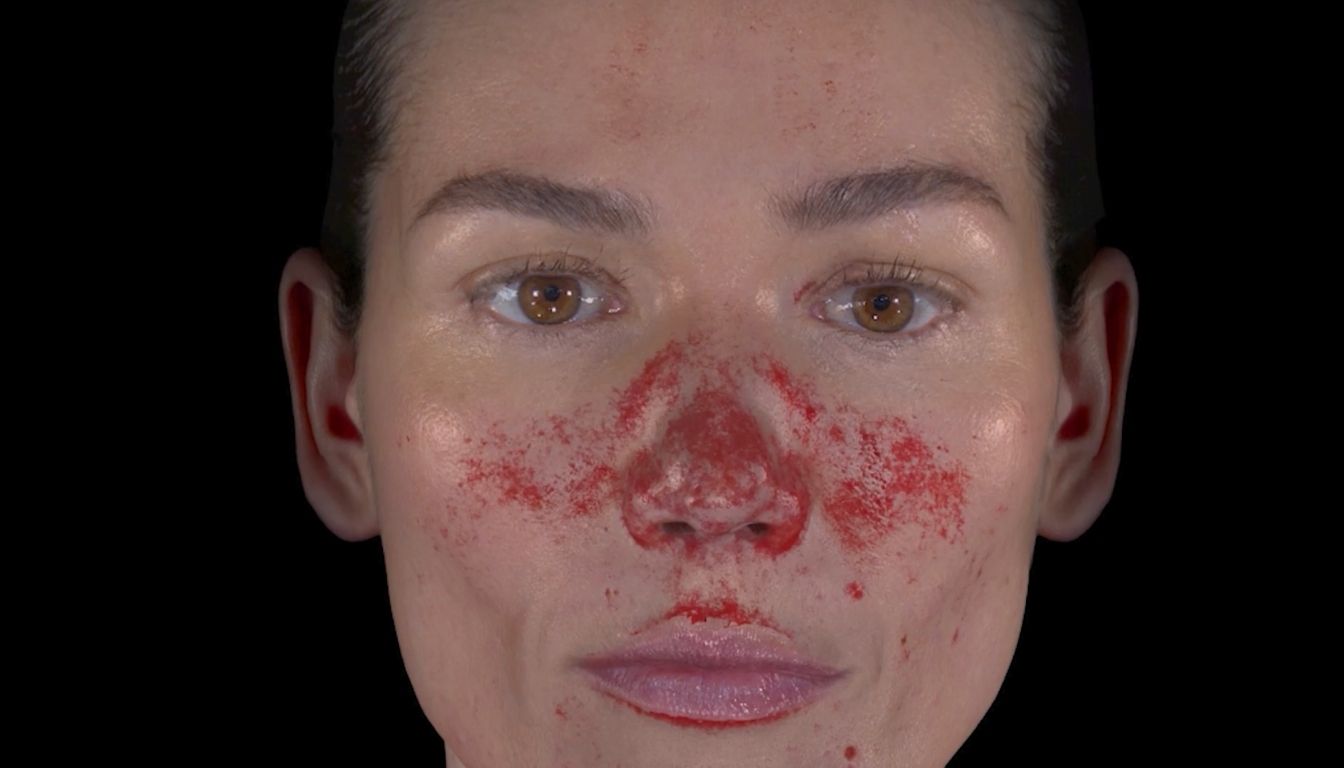
Skin boosters are among the regenerative treatments that have been developed to address the biological foundations of skin aging and are becoming increasingly preferred in medical aesthetics. The age-related decline in collagen production, loss of hyaluronic acid, and slowing of cellular renewal contribute to skin dullness, loss of elasticity, and the formation of fine lines. Skin boosters aim to slow this process and support the skin’s natural repair mechanisms.
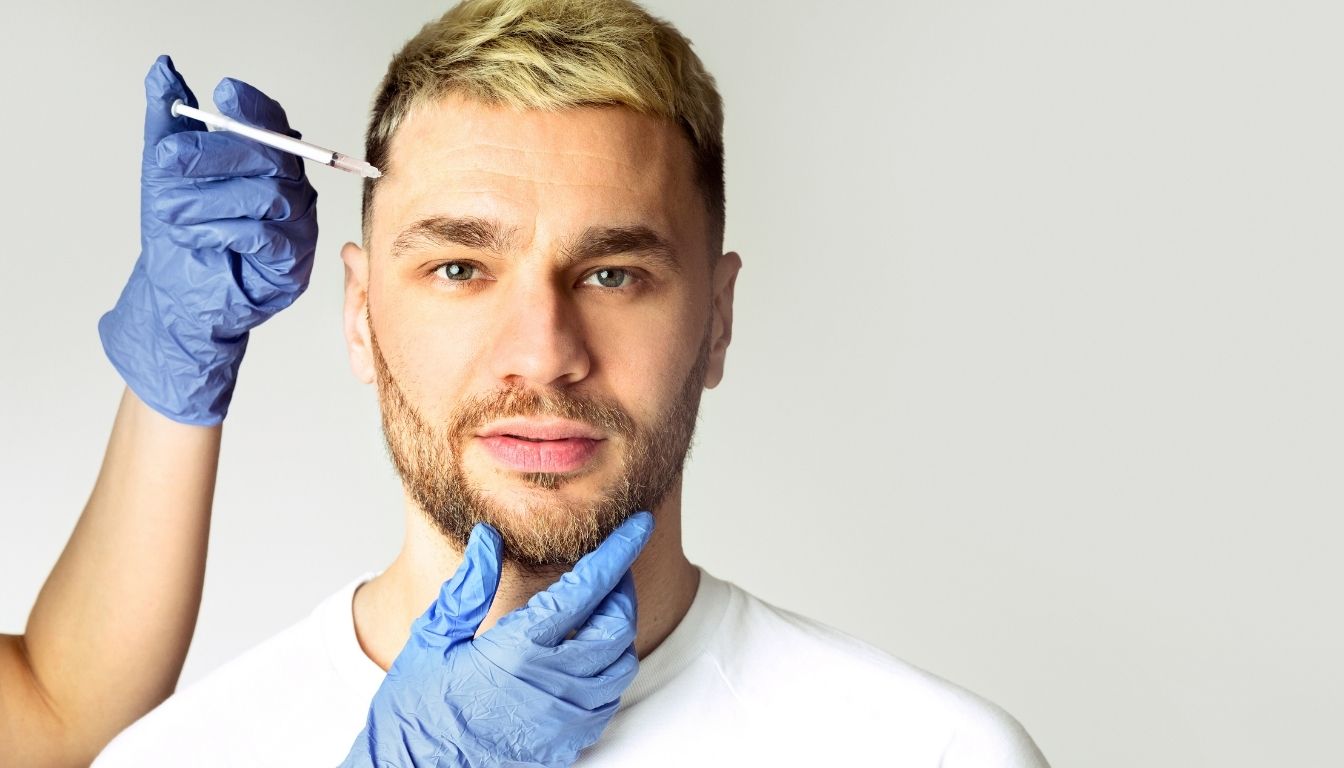
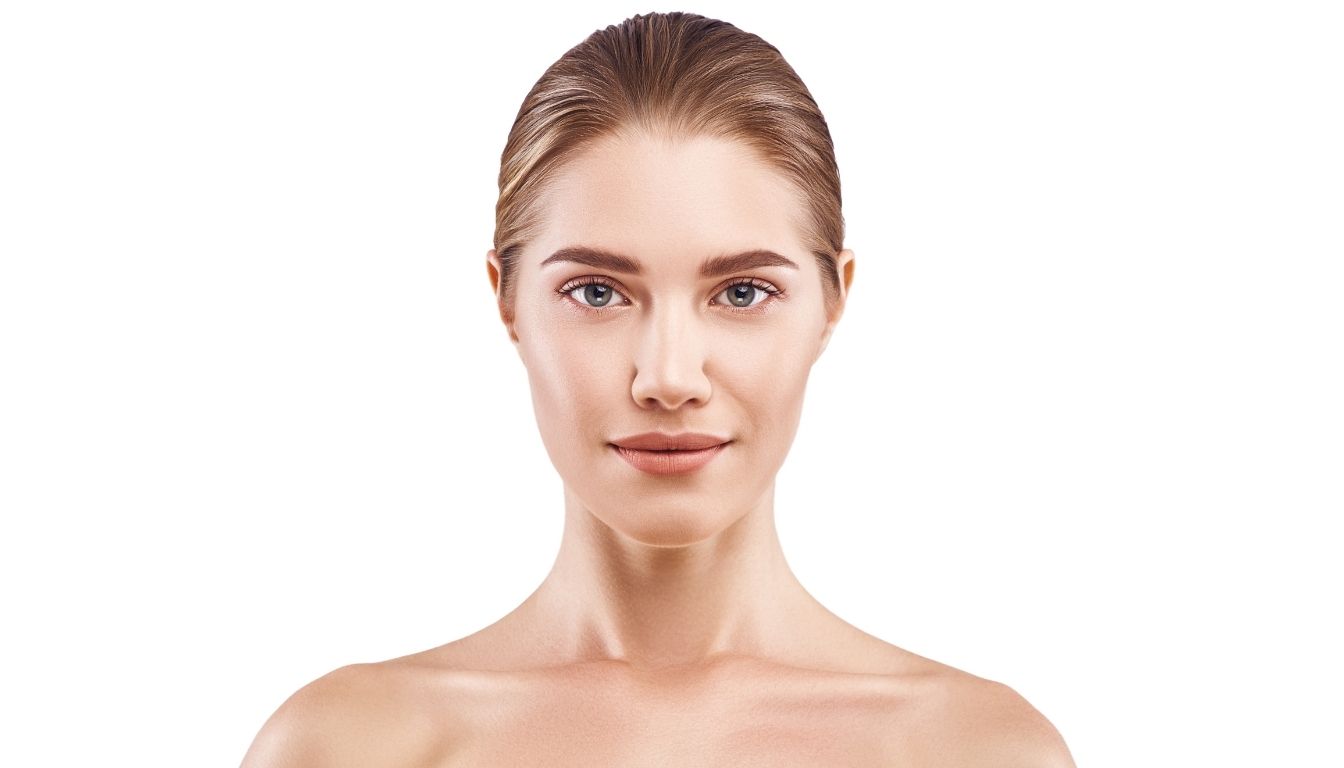
The primary aim of these treatments is not to add volume to the skin, but to improve skin quality and stimulate biological rejuvenation. Through the hyaluronic acid, amino acids, vitamins, and antioxidants contained in their formulations, hydration balance is restored within the dermal layer, collagen synthesis is supported, and the skin achieves a healthier structure. Skin boosters can be safely applied to various areas, including the face, neck, décolletage, and hands.
Within the Skin Booster Training program, skin anatomy, aging mechanisms, and the mechanisms of action of the products used are discussed in detail. Participants gain systematic knowledge regarding proper patient selection, injection depth, and treatment session planning. In addition, the clinical rationale for combining skin boosters with other aesthetic procedures such as botulinum toxin, dermal fillers, mesotherapy, and PRP is presented.
During the training process, particular emphasis is placed on identifying the patient groups in which skin boosters are most effective and understanding the situations in which they may not be sufficient as a standalone treatment. The aim is to provide physicians with the ability to apply skin boosters not as a standard procedure, but as a treatment approach that is individually planned and designed to deliver controlled and sustainable results.
When performed with the correct indication and technique, skin boosters provide natural skin radiance, improved elasticity, and long-term skin improvement.