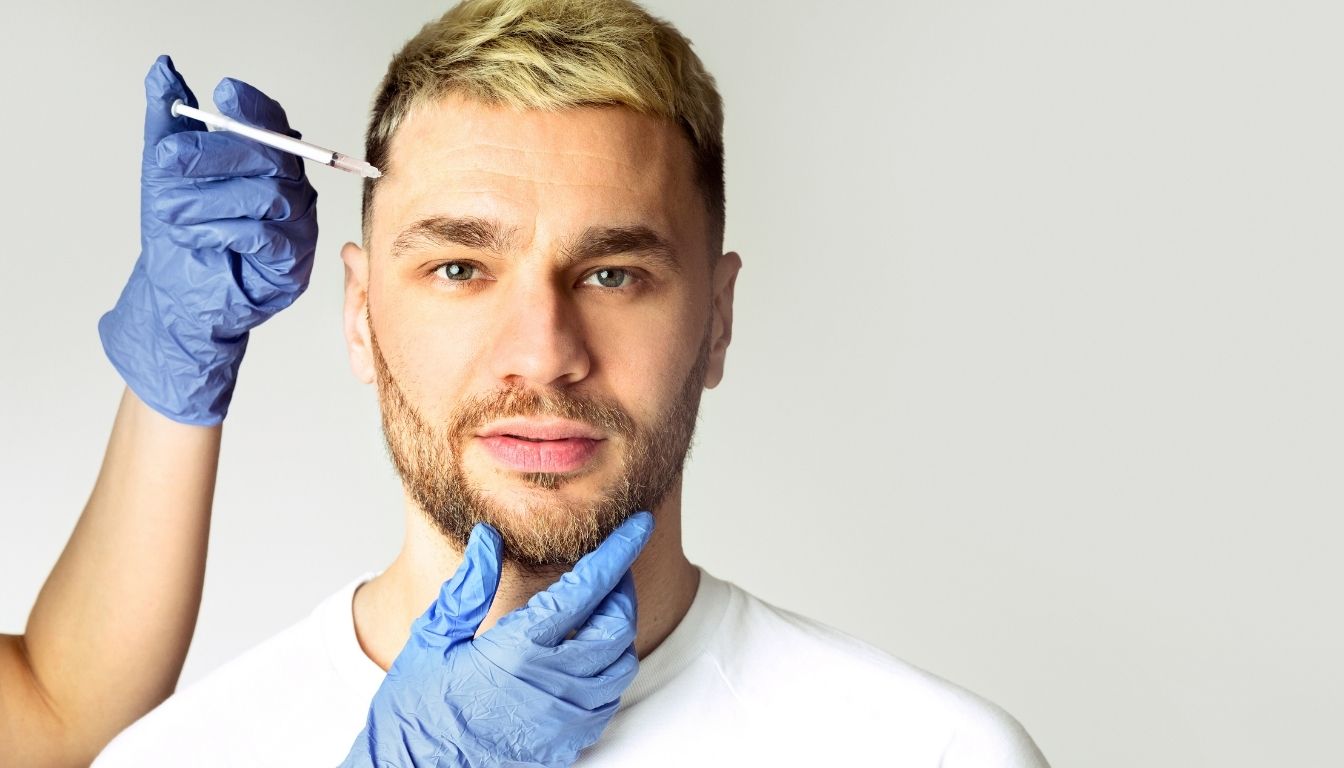
A safe and sustainable clinical approach in medical aesthetics depends not only on technical knowledge and procedural skills, but also on compliance with regulations, awareness of ethical responsibilities, and an understanding of legal considerations. This training is designed to help physicians effectively manage the legal processes they may encounter in daily practice and fulfill their professional responsibilities in a well-informed manner. Within the scope of the training, the boundaries, areas of authority, and application scope of medical aesthetic procedures are discussed in detail within the framework of healthcare regulations. The procedures that physicians may perform, the conditions under which they may be carried out, inspection processes, and potential legal risks are evaluated through clinical examples.
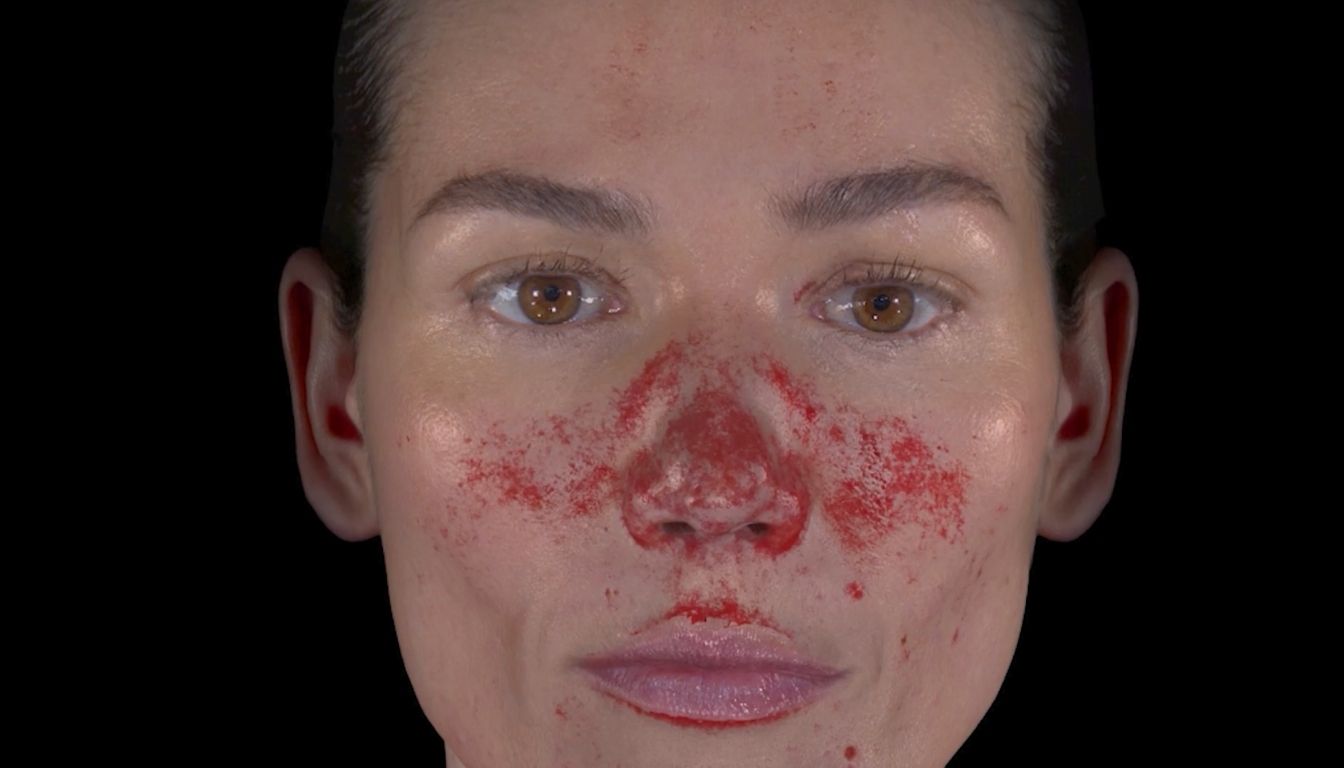
The informed consent process constitutes one of the core focuses of this training. It is emphasized that informed consent is not merely a signature process, but an integral part of patient communication and risk disclosure. Participants gain practical knowledge on preparing appropriate consent forms, effectively communicating complication risks, and managing patient expectations. In addition, the legal procedures to be followed in the event of complications, the importance of proper documentation, and strategies for protection against potential malpractice claims are discussed in detail.
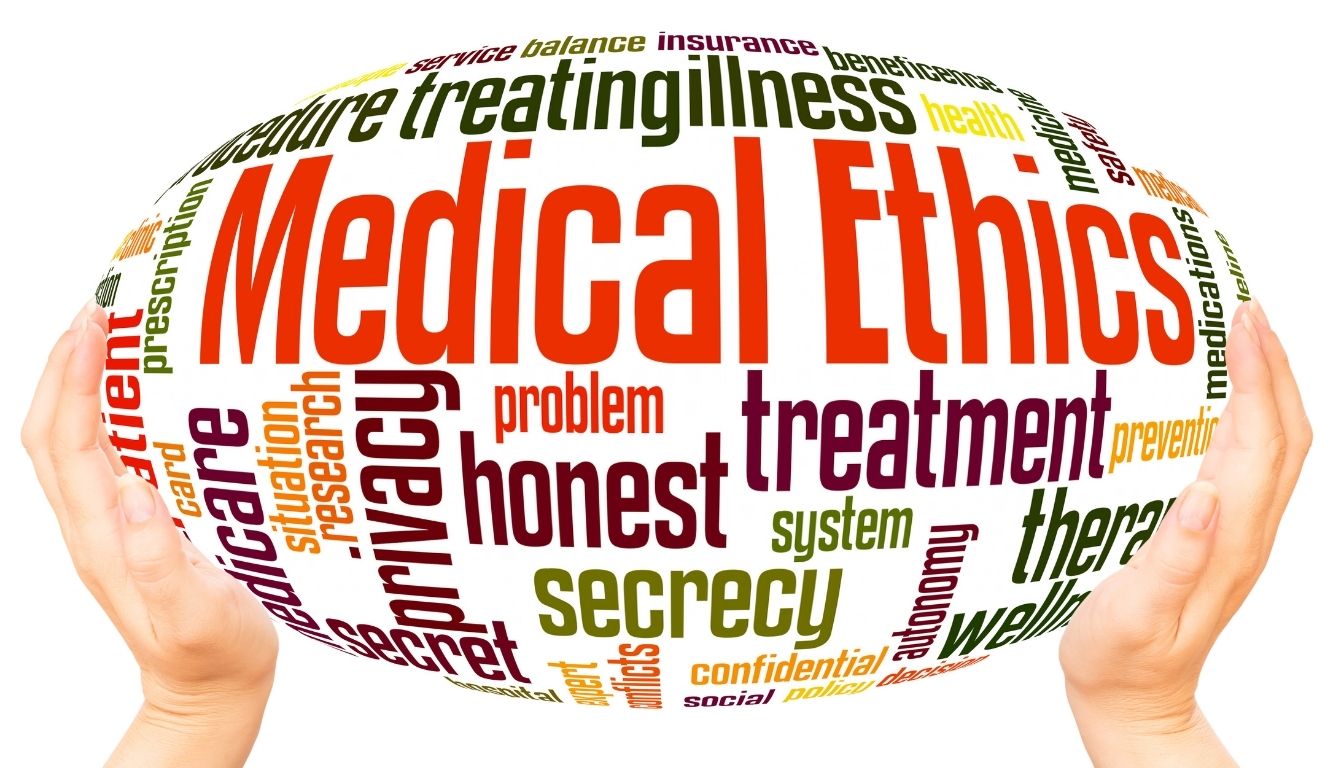
The training also focuses on ethical boundaries in medical aesthetics. Topics such as social media use, patient privacy, before-and-after image sharing, and the use of commercial language are evaluated in accordance with current regulations and ethical principles. The aim is not only to ensure that physicians perform procedures correctly, but also to help them develop a clinical approach that protects professional reputation, minimizes legal risks, and remains aligned with ethical values.