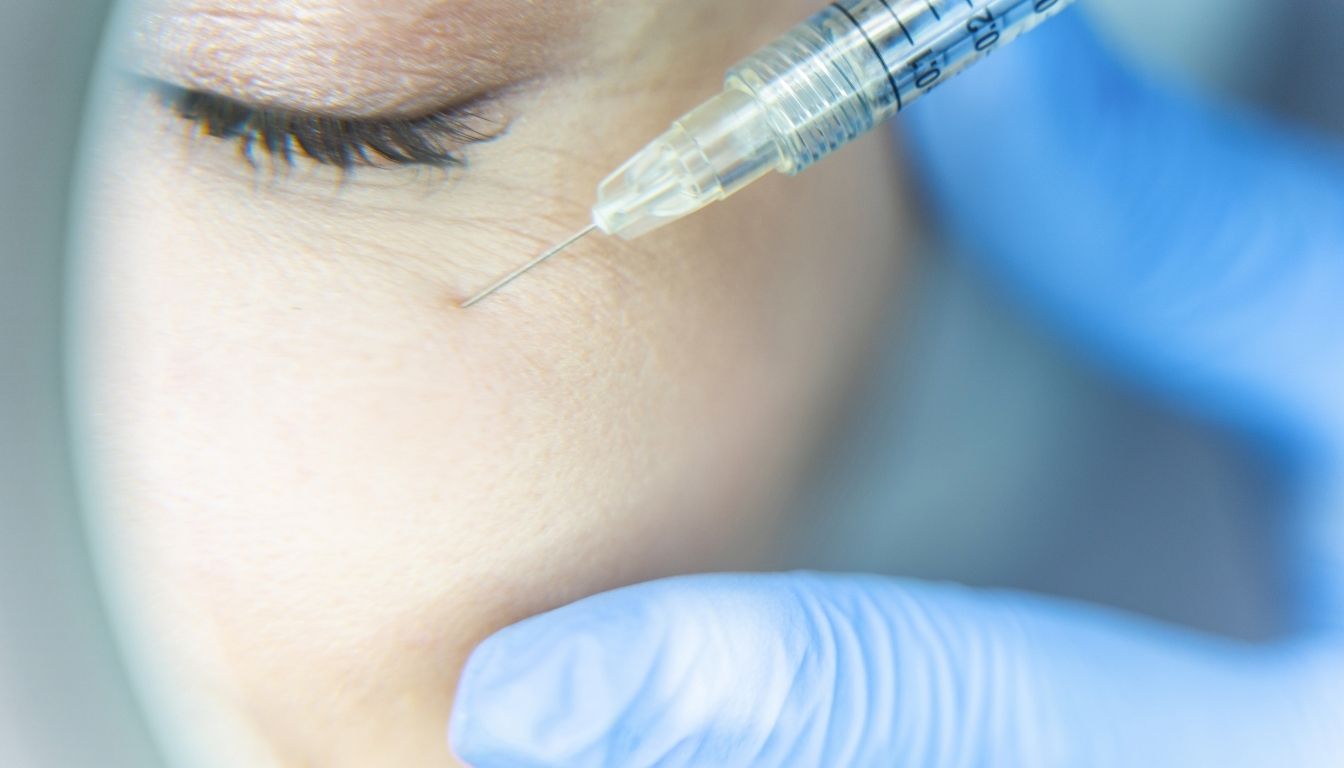
Periorbital mesotherapy is a delicate and advanced mesotherapy procedure aimed at improving skin quality in the periorbital region. The eye area is one of the first regions where signs of aging appear due to its thin skin structure, limited adipose tissue, and constant facial expression activity. In addition, this region is more prone to fluid retention and edema because of its relatively limited lymphatic drainage. This anatomical characteristic requires particular attention during treatment planning.
The aim of periorbital mesotherapy is to restore hydration balance, soften fine lines, and achieve a more refreshed appearance without adding heaviness to the skin. However, the limited lymphatic circulation in the periorbital region may increase the risk of persistent edema when inappropriate products are selected or excessive volumes are used. Therefore, pigmentation, dark circles, tissue thickness, and the tendency toward edema should always be evaluated separately. Rather than applying a standard protocol to every patient, individualized planning based on skin characteristics and lymphatic capacity is essential.
During the training process, periorbital anatomy, the clinical importance of lymphatic structures, safe injection depths, and appropriate product selection are discussed in detail. Participants gain clinical awareness regarding the prevention of edema-related complications, principles of low-volume and controlled injections, and appropriate treatment interval planning. In addition, the scientific rationale for combining periorbital mesotherapy with fillers, PRP, and biostimulatory treatments in selected cases is presented.
The Periorbital Mesotherapy Training program aims to provide physicians with the practical skills required to perform safe and controlled treatments in this sensitive area while minimizing the risk of edema. When performed with proper technique and appropriate patient selection, periorbital mesotherapy can provide subtle yet balanced improvements in facial aesthetics.