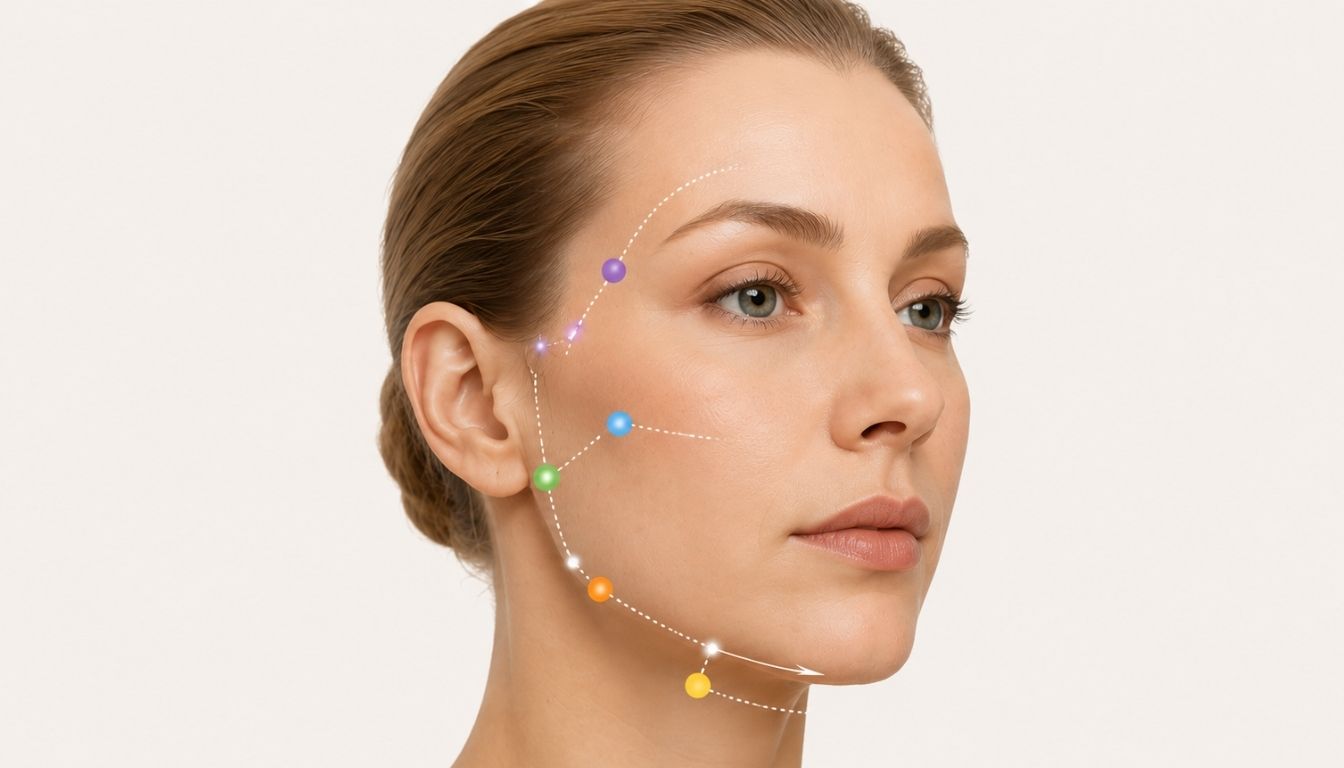
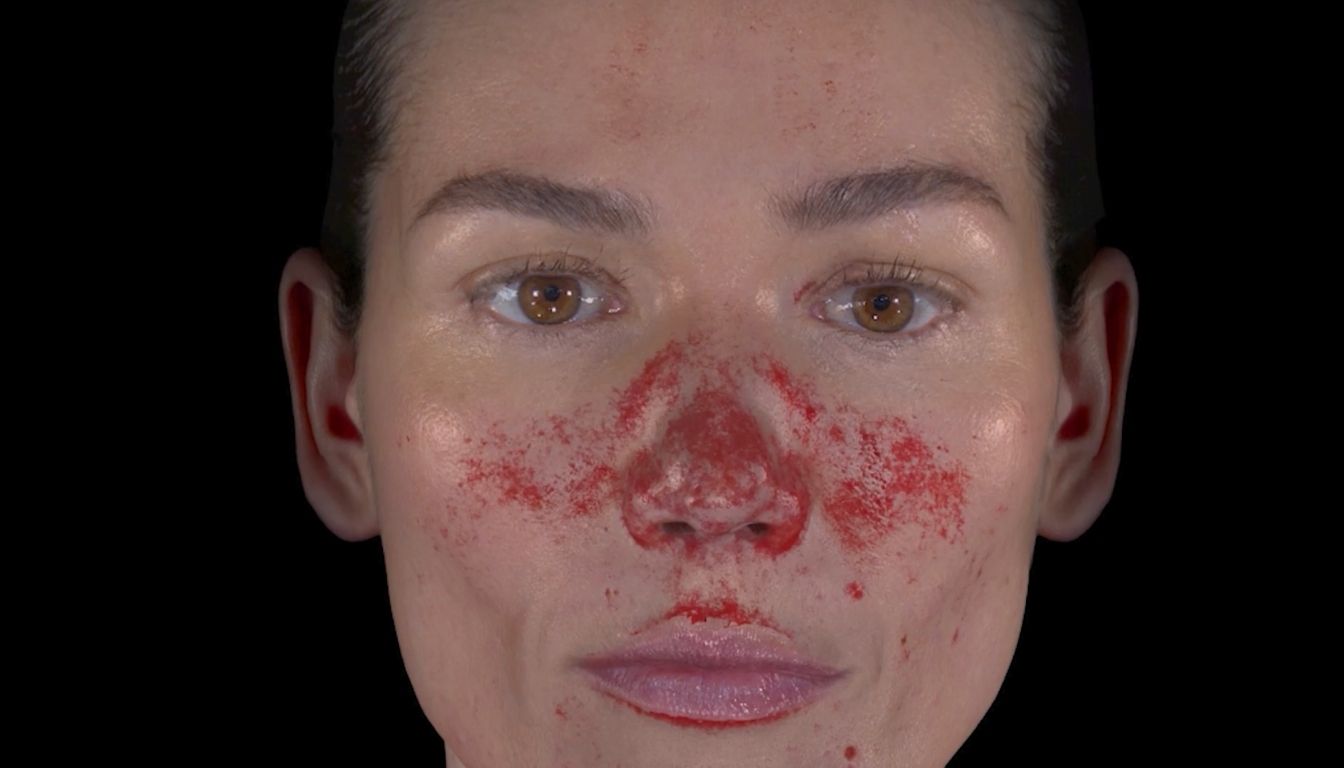
Biological lifting is one of the modern medical aesthetic approaches that aims to support facial tissues and enhance the skin’s natural regenerative capacity without the need for surgical intervention. The aging process is not limited to the loss of collagen and elastin; it also involves weakening of the deep support structures of the face and the retaining ligament system. These retaining ligaments stabilize the skin and soft tissues to the underlying bony structures, helping to maintain facial contours. With age, the elasticity of these ligaments decreases, connective tissue becomes lax, and facial soft tissues gradually shift downward. As a result, sagging, volume loss, and contour irregularities develop.
Biological lifting applications aim to support this process at a biological level rather than mechanically tightening the tissues. Through collagen stimulation, fibroblast activation, and connective tissue strengthening, the face’s natural support mechanisms are reactivated. In particular, biological reinforcement of support points in the zygomatic, mandibular, and temporal regions may enhance the perception of an upward facial lift. In this way, a more natural lifting effect can be achieved through deeper structures without directly altering the skin surface.
The primary aim of this approach is not to artificially reposition tissues, but to optimize the face’s own repair and tightening capacity. Biological lifting improves skin quality while simultaneously supporting the integrity of facial connective tissue. As a result, it provides a more refreshed and lifted appearance without altering facial expression.
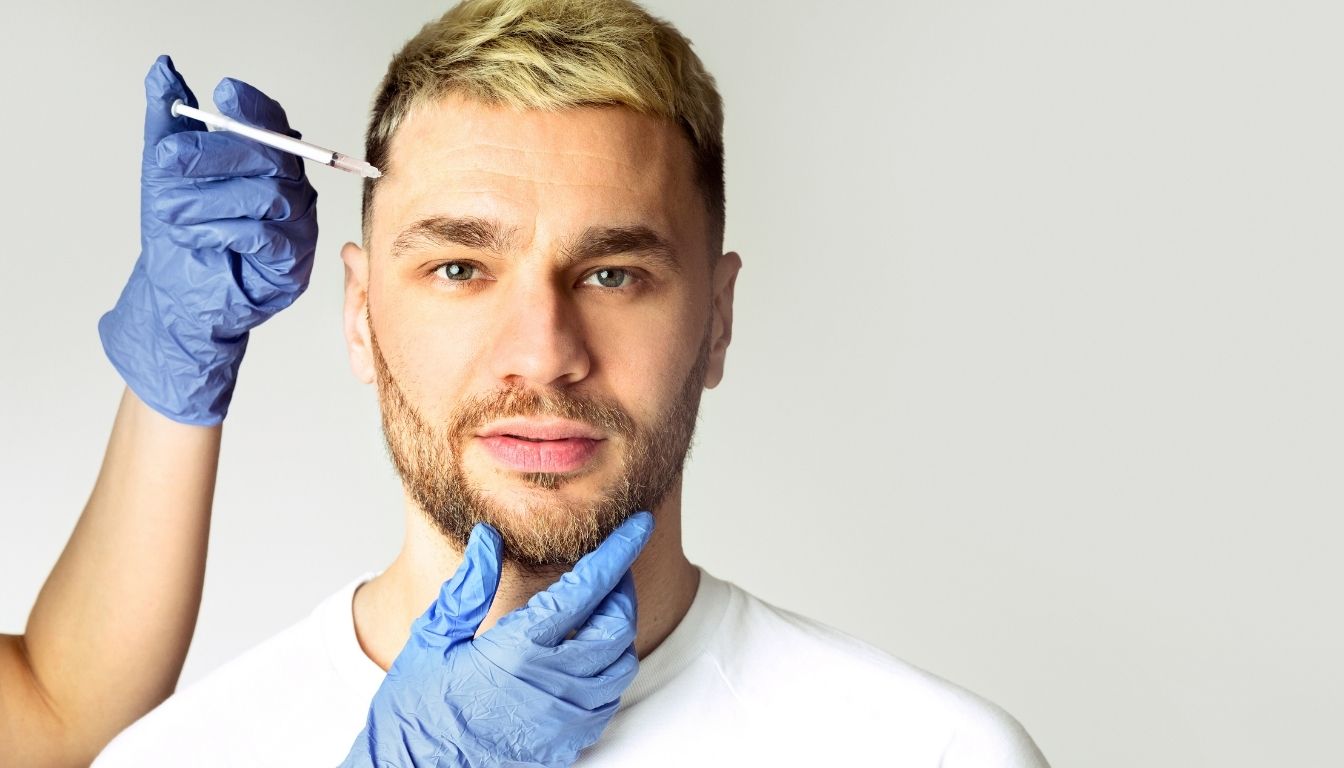
Within the Biological Lifting Training program, facial anatomy, the retaining ligament system, the biomechanics of aging, and the mechanisms of action of the products used are discussed in detail. Participants gain systematic knowledge regarding patient selection, application depths, and treatment session planning. In addition, the clinical rationale for combining biological lifting with botulinum toxin, dermal fillers, mesotherapy, and other regenerative treatments is presented through clinical examples.
During the training process, particular emphasis is placed on the limitations of biological lifting applications and the management of realistic patient expectations. The aim is to provide physicians with the ability to apply this method not as a standalone solution, but as part of a comprehensive rejuvenation strategy planned with consideration of the facial support structures and retaining ligament system. When performed with appropriate patient selection and proper technique, biological lifting provides natural tissue repositioning, improved tissue quality, and long-term rejuvenation effects.