
2026 Medical Aesthetics Trends
What Are Future-Ready Clinics Doing?
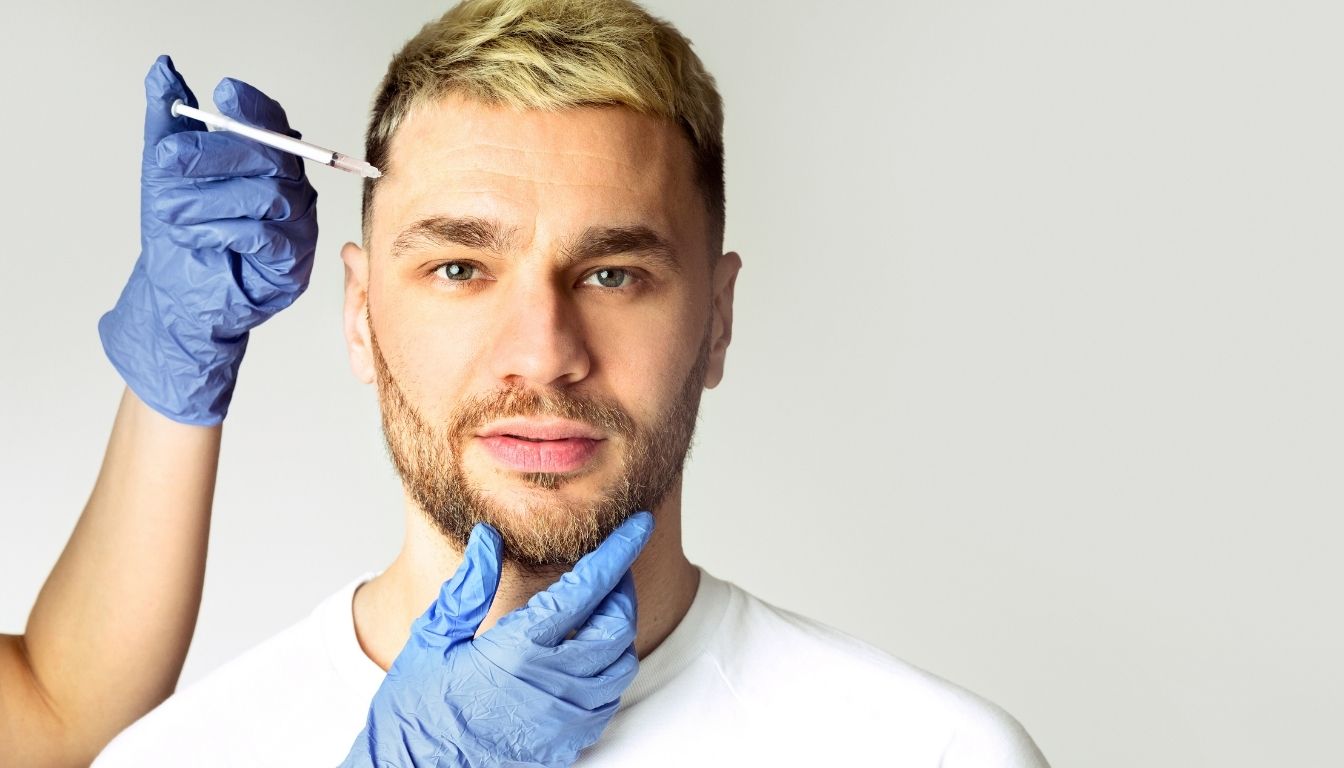
Medical aesthetics is no longer a field where competition is based solely on procedural skills. As we approach 2026, the strongest emerging trend is centered around naturality, sustainability, and personalization. Patients are no longer asking for “more”; they are asking for more appropriate and individualized treatments.
At the center of the 2026 trends are approaches that support facial structures without altering them and provide gradual, long-term results. Excessive filler use, harsh contours, and aggressive single-session procedures are being replaced by biostimulation, regenerative aesthetics, and combination treatment protocols. For clinics, this means not more products, but smarter treatment planning.
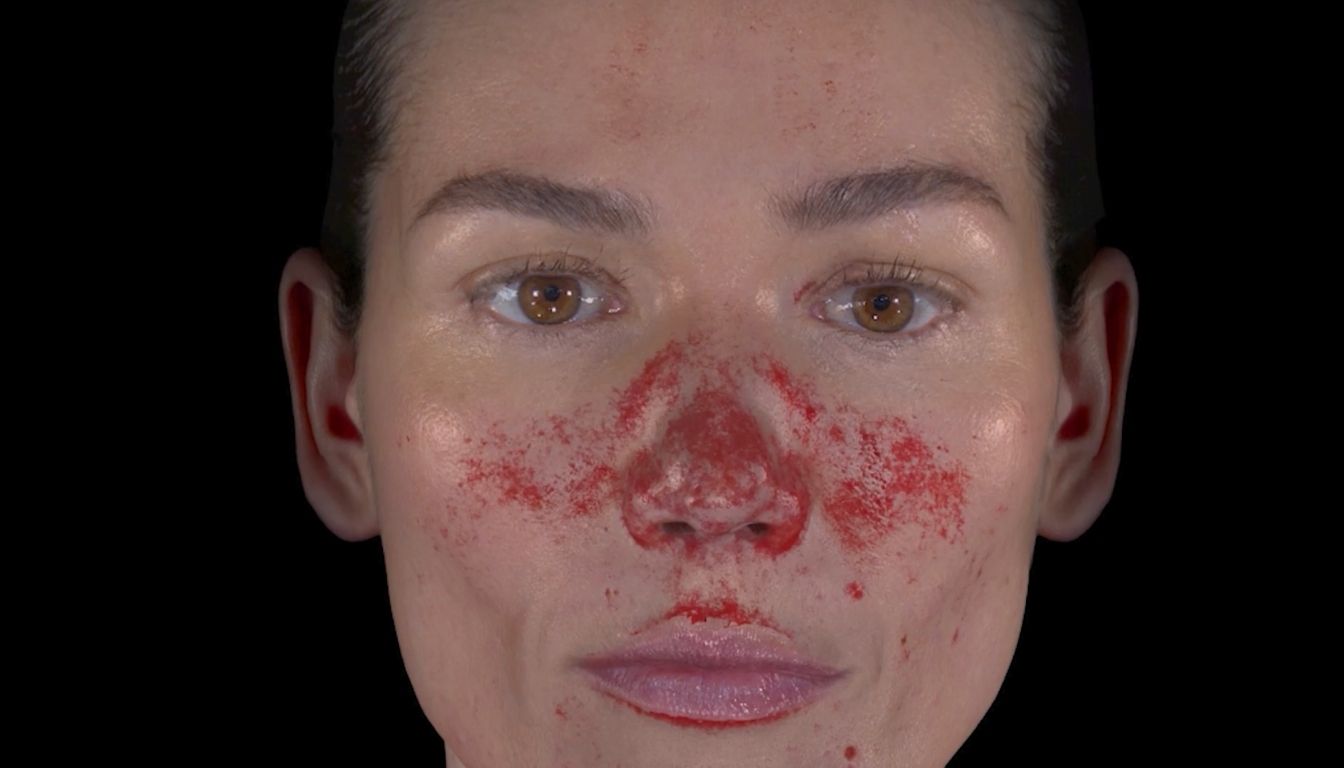
Another important trend is the shift from age-based treatment planning to approaches based on biological skin needs. Preventive treatments are becoming more prominent in younger patients, while tissue-quality-focused strategies are gaining importance in older age groups. This further strengthens the physician’s role not only as a practitioner, but also as a consultant and long-term treatment planner.
The common characteristics of clinics preparing for 2026 include:
- Filtering trends correctly rather than simply following them
- Providing patients with a long-term treatment roadmap
- Using technology as a tool while making decisions based on medical expertise
The future of medical aesthetics will belong not to those who move the fastest, but to those who interpret change correctly.