Upper Face Botulinum Toxin Applications
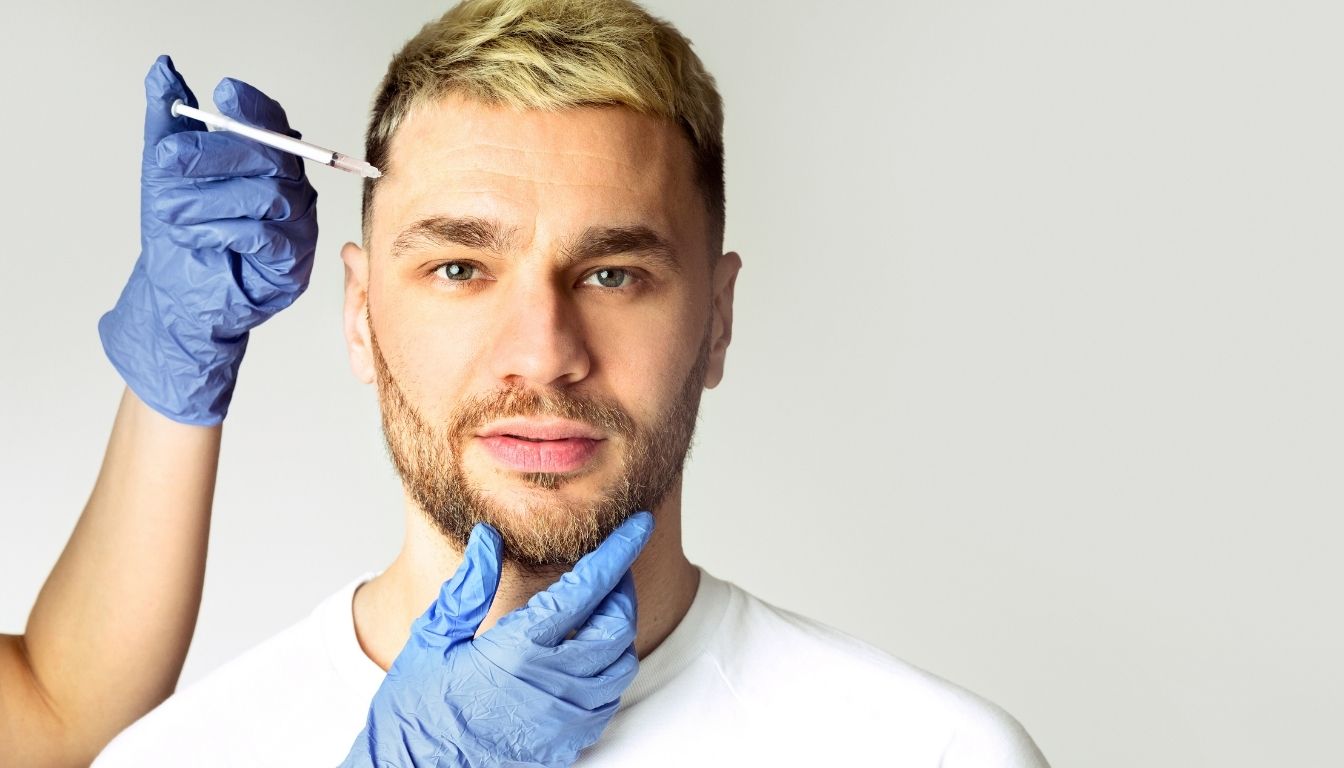
Upper face botulinum toxin applications are among the most critical areas in medical aesthetics, where both patient satisfaction and clinical safety are of paramount importance. The forehead, glabellar, and periorbital regions require advanced anatomical knowledge and a precise technical approach due to their intense muscular activity, the close proximity of superficial and deep anatomical structures, and the potential functional risks involved.
The goal of botulinum toxin treatments in these areas is not only to reduce wrinkles but also to preserve natural facial expressions while restoring a balanced and healthy appearance. Appropriate dose planning, accurate identification of injection points, and a thorough understanding of muscle interactions form the foundation of successful upper face botulinum toxin treatments.
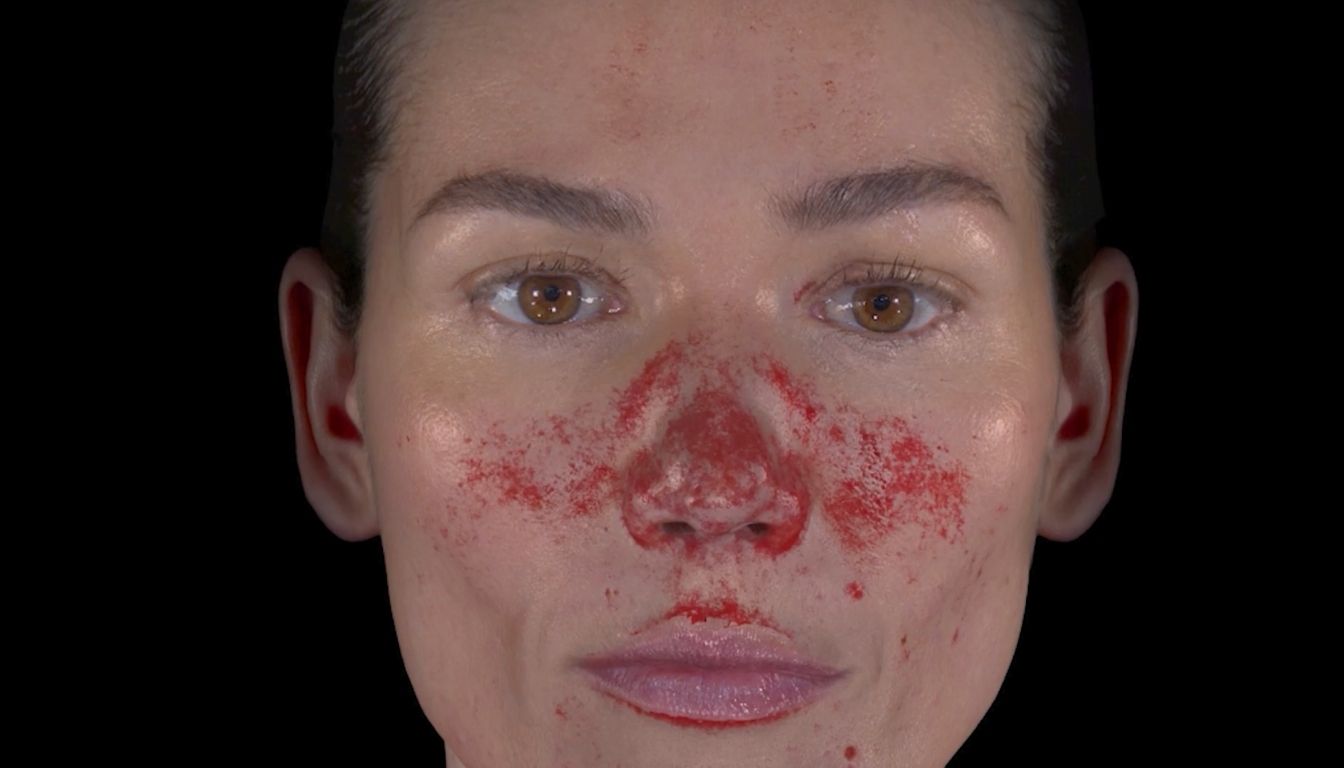
In our Upper Face Botulinum Toxin Training, participants gain comprehensive knowledge of forehead muscle dynamics, balance points related to eyebrow positioning, safe injection boundaries of the glabellar complex, and symmetry management in crow’s feet treatment. In addition, the most common complications—such as eyebrow ptosis, eyelid ptosis, facial asymmetry, and a frozen appearance—are examined in detail, with practical preventive strategies and management approaches discussed throughout the program.
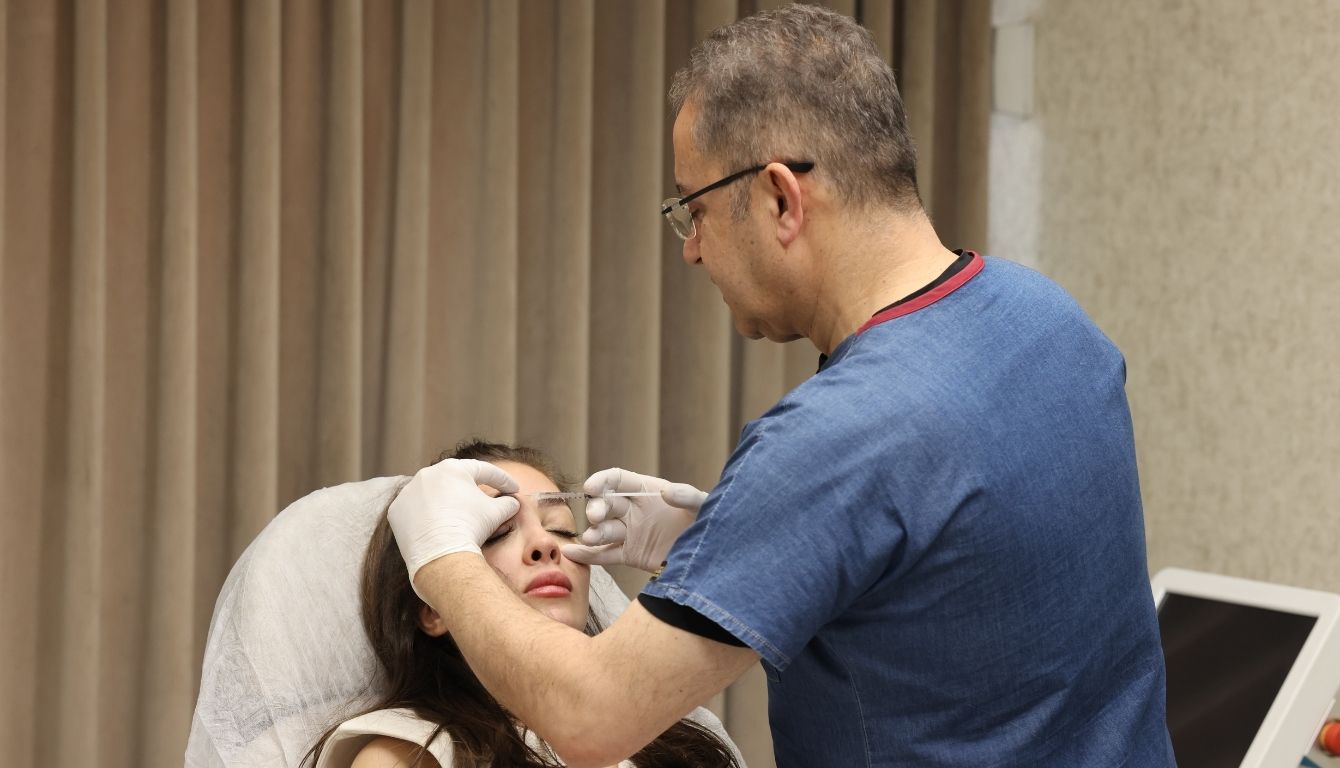
Throughout the training process, theoretical knowledge is reinforced with clinical practice. Participants develop a systematic approach to patient assessment, facial expression analysis, and individualized dose planning. The objective is to go beyond standard protocols and cultivate the clinical judgment necessary to achieve accurate, natural, and sustainable results for every face.
Mastering upper face botulinum toxin applications is one of the fundamental steps toward ensuring safe treatments and building long-term patient relationships in medical aesthetics.