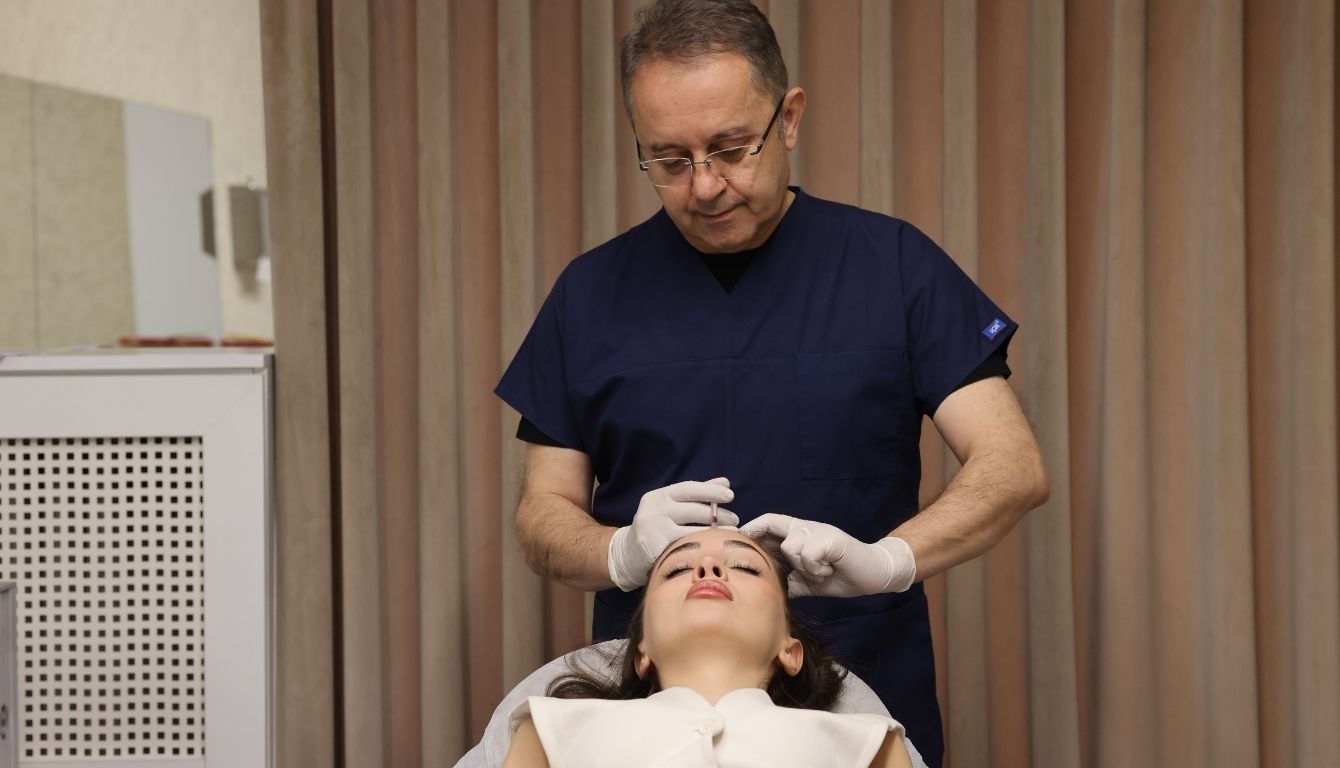
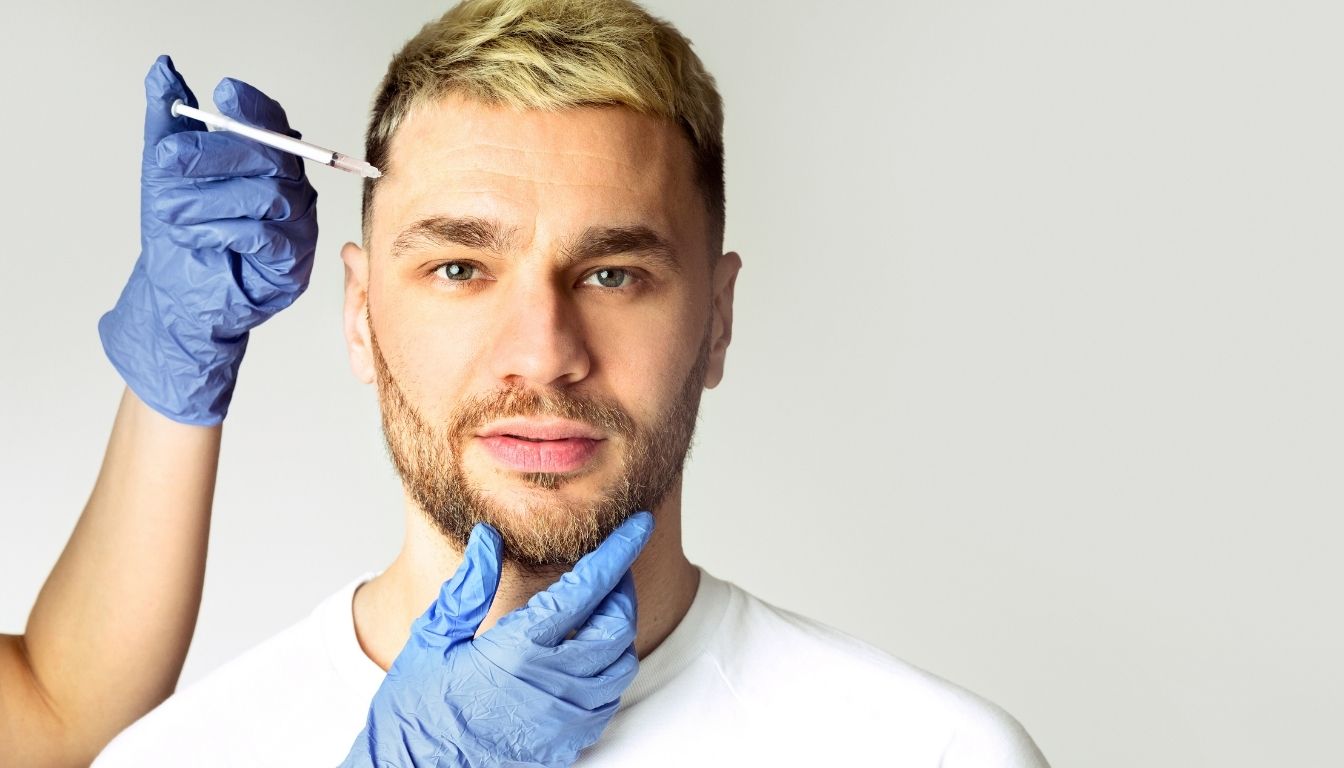
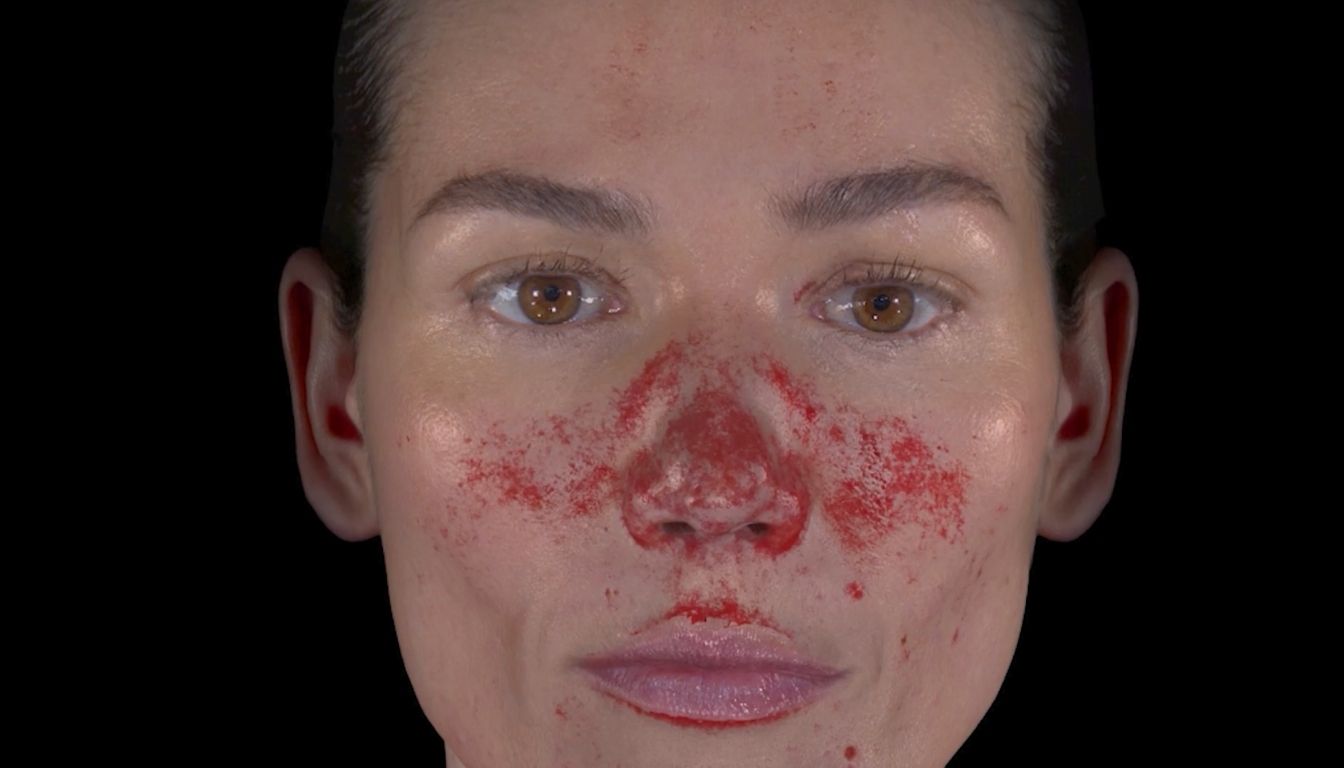
Glabellar filler treatment is considered one of the highest-risk procedures in aesthetic filler applications. Located between the eyebrows, this region is characterized by a complex vascular network, limited safe injection zones, and the potential for severe vascular complications, including vision loss. For this reason, glabellar augmentation should only be evaluated and performed by physicians with advanced anatomical knowledge and extensive clinical experience. It should not be regarded as a routine aesthetic procedure for every patient.
The need for glabellar filler treatment typically arises from deep static lines, tissue depression, and a harsh or fatigued facial appearance. However, botulinum toxin treatment is often the preferred first-line approach for this region. The decision to use fillers should only be made when appropriate indications are present and after alternative treatment options have been carefully considered. Incorrect patient selection or improper injection techniques may result in serious vascular complications.
Within the Glabellar Filler Training program, participants gain a comprehensive understanding of the region’s vascular anatomy, high-risk arterial pathways, and injection zones that should be strictly avoided. The course provides clear clinical criteria regarding situations in which filler treatment should not be performed, as well as cases where limited and carefully controlled intervention may be appropriate. Safe product selection and appropriate injection depth are among the core focuses of the training.
Complication awareness also represents a major component of the educational process. Participants learn how to recognize potential adverse events at an early stage, implement emergency management algorithms, and approach patient management through real clinical scenarios. The objective is to develop not only technical proficiency in glabellar filler procedures but also strong clinical judgment, risk assessment capabilities, and sound decision-making skills.