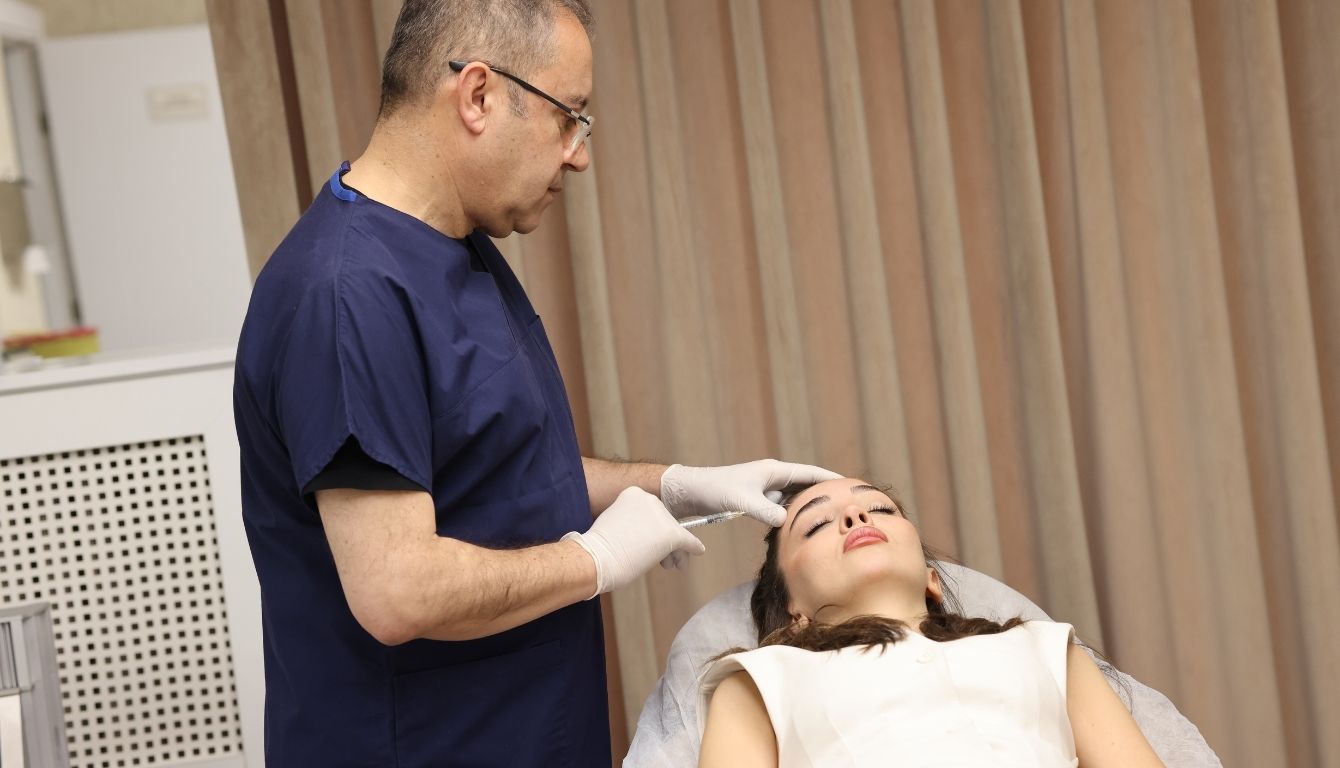
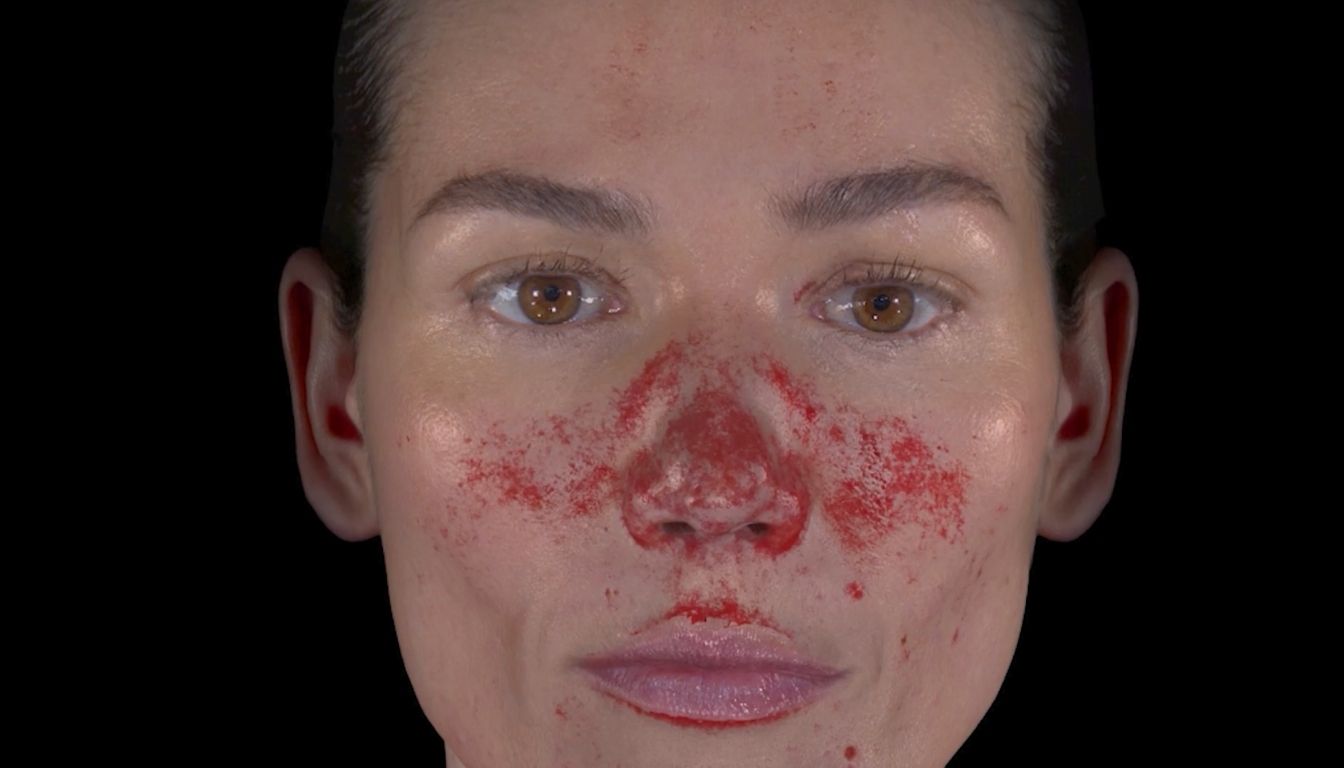
Forehead augmentation with dermal fillers is an advanced aesthetic procedure that directly influences volume, contour, and light reflection in the upper third of the face. Due to its dense vascular network, active facial musculature, and limited safe injection zones, this region requires a high level of caution and expertise. For this reason, forehead filler treatments should only be performed by physicians with a thorough understanding of facial anatomy.
The need for forehead augmentation typically arises from age-related volume loss, contour irregularities, and increased prominence of the underlying bony structures. The primary objective of treatment is to create a smoother and more harmonious forehead contour without hardening the facial expression, while maintaining balanced facial proportions. Unlike botulinum toxin treatments, which primarily address dynamic wrinkles, forehead filler procedures are designed to correct static volume deficiencies.
Within the Forehead Filler Training program, participants gain detailed knowledge of the region’s superficial and deep anatomy, vascular and neural structures, and high-risk zones. The course provides a systematic approach to patient selection, product rheology and viscosity considerations, and treatment planning strategies. In addition, the most common complications associated with forehead filler procedures, their underlying causes, and prevention strategies are reviewed through clinical case examples.
The training extends beyond technical injection skills and focuses on the aesthetic relationship between the upper, middle, and lower facial thirds. The goal is to develop a clinical perspective that views forehead augmentation not as an isolated procedure, but as an integral component of overall facial harmony. When performed with appropriate indications and proper technique, forehead filler treatment can achieve noticeable yet natural-looking improvements in facial aesthetics.